Cannabinoid Education, Dosing & Product Education

Alcohol vs. Cannabis: Why Do We View These Two Substances So Differently?

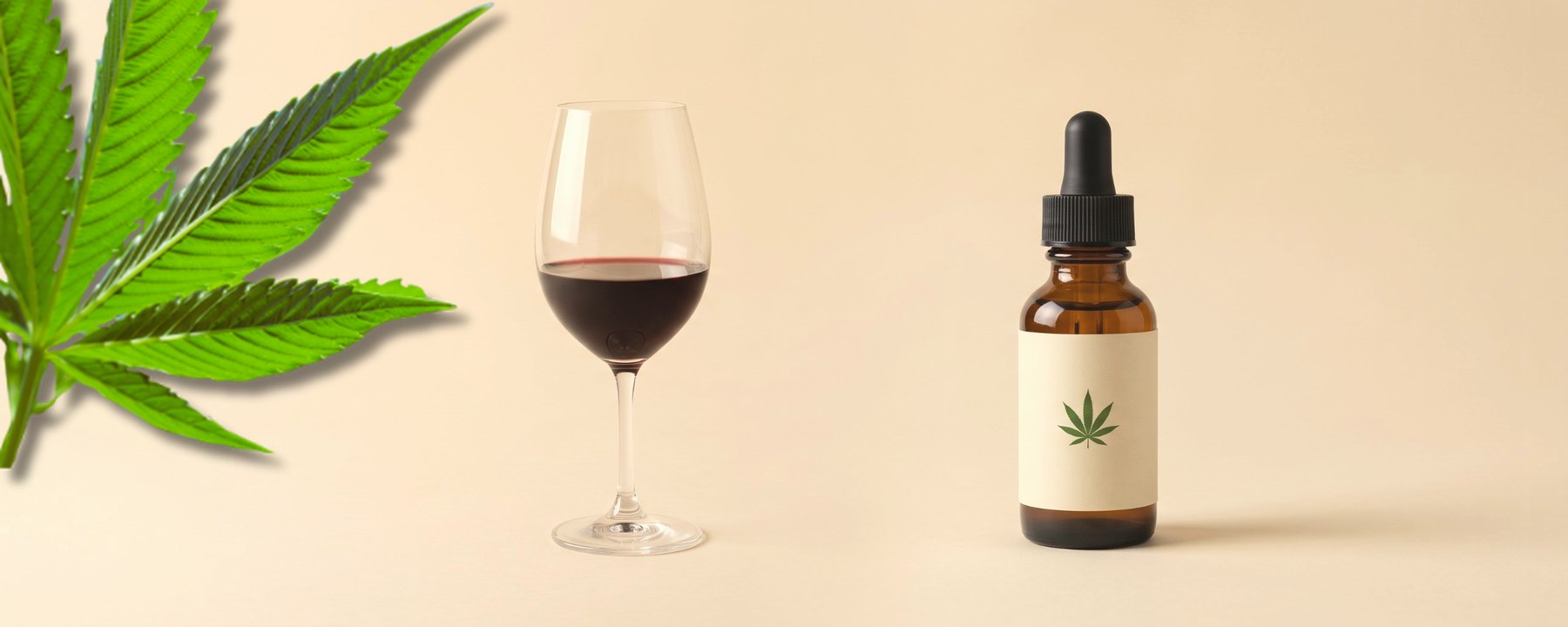
A glass of red wine beside a medical cannabis tincture bottle, comparing alcohol and cannabis

🩺 Written and medically reviewed by Jacqueline Rice-McKenzie, MD  ·  Last reviewed November 2026  ·  8 min read

Alcohol is part of everyday American life. We celebrate with it, give it as a gift, and often think little of someone enjoying a drink at the end of a long day. Medical cannabis, on the other hand, can still make people uncomfortable, even when it is legally prescribed for a qualifying medical condition.

But when we look beyond social acceptance and examine the medical evidence, an interesting contrast emerges. Alcohol is responsible for substantial preventable illness and death, while medical cannabis continues to face stigma despite growing recognition of its potential therapeutic uses.

Why do we judge these two substances so differently?

In this article, we’ll look at what the research actually tells us about alcohol vs. cannabis, how their health risks differ, and why familiarity shouldn’t be mistaken for safety.

Social acceptance and medical risk are not the same thing.

πŸ€” Why We See Them So Differently

Much of the difference comes from history and habit rather than health data. Alcohol has been legal nationwide for nearly a century and is woven into celebrations, holidays, and advertising. Cannabis was restricted for decades and only recently has been recognized as medicine in many states. In April 2026, federal authorities moved FDA-approved and state-licensed medical marijuana products to Schedule III, while broader marijuana rescheduling remains a separate process, as we explained in our rescheduling update.

Familiarity can make a substance feel safer than it is, and unfamiliarity can make one feel more dangerous than it is. That gap is part of why medical cannabis stigma keeps so many people from asking questions.

In our recent article, Medical Cannabis Stigma: 7 Things to Consider If You’re Hesitant, we explored the concerns that keep some patients from considering medical cannabis. One of those concerns is how others might judge their decision.

That raises a related question: Are our attitudes toward alcohol and cannabis shaped more by medical evidence or by what society has taught us to accept?

πŸ“Š What the Medical Evidence Actually Shows

Here is a side-by-side look at what major health agencies and research report.

Β AlcoholCannabis
Social acceptanceWidely acceptedOften stigmatized
Fatal overdoseAlcohol poisoning can cause breathing suppression, coma, and death.Fatal overdose directly caused by cannabis alone is exceptionally rare and has not been conclusively established in the medical literature.
DeathsAbout 178,000 U.S. deaths each year attributed to excessive alcohol use (CDC estimates, 2020 to 2021 data).No comparable established annual death toll from cannabis toxicity alone. Injuries during impairment remain a concern.
CancerAn established cause of at least seven types of cancer, including breast, colorectal, and liver. The U.S. Surgeon General calls it the third leading preventable cause of cancer.No comparable causal relationship has been established between non-smoked medical cannabis use and cancer overall. However, research on specific cancers, cannabinoid formulations, and interactions with cancer treatments remains limited.
HeartHeavy drinking is an established cause of high blood pressure, irregular heart rhythms, and heart muscle damage.Observational studies link frequent use, mostly smoking, to higher heart attack and stroke risk. Most research does not isolate prescribed, non-smoked products.
DependencePhysical dependence can develop with heavy use, and withdrawal can be dangerous, even fatal. Alcohol use disorder involves a problematic pattern of use causing significant impairment or distress.Tolerance and physical dependence may occur with regular use. Cannabis use disorder involves a problematic pattern of use causing significant impairment or distress.
DrivingImpairs drivingImpairs driving
Medical useNot used as a treatmentPrescribed in Texas for qualifying conditions; evidence varies by condition

🍷 Alcohol’s Health Risks Are Often Overlooked

Because alcohol is so familiar, we sometimes forget that it is a substance with significant, well-established health risks.

Alcohol is classified as a human carcinogen and is associated with at least seven types of cancer. Excessive drinking also contributes to liver disease, heart problems, injuries, dependence, and premature death. According to the CDC, excessive alcohol use was responsible for about 178,000 deaths a year in the United States during 2020 and 2021.

Yet alcohol is routinely served at celebrations, given as gifts, and portrayed as a normal way to relax.

This does not mean everyone who enjoys an occasional glass of wine will experience these harms. It does raise an important question: why is a substance with such well-documented risks widely accepted, while physician-guided medical cannabis can still carry considerable stigma?

🌿 Responsible Medical Cannabis Use: Why Dosing and Guidance Matter

Like any treatment, medical cannabis works best with thoughtful use. The goal is the lowest dose that improves symptoms with the fewest side effects.

THC can cause temporary dizziness, anxiety, a faster heart rate, or impairment, particularly at higher doses. Frequent, prolonged use may contribute to tolerance, cannabis use disorder, or, in some people, cannabinoid hyperemesis syndrome.

Certain patients, including those who are pregnant, have a history of psychosis, or have significant heart concerns, may need to avoid THC or consider alternatives.

That’s why individualized dosing, the right product, and honest communication with your physician matter. Medical cannabis is not right for everyone, and its risks should be weighed in context, as with any treatment.

Why Alcohol and Cannabis Shouldn’t Be Combined

Although alcohol and cannabis affect the body differently, combining them can increase impairment, dizziness, and poor coordination. Alcohol may also increase THC absorption and intensify its effects.

For patients using medical cannabis, avoiding alcohol while THC is active is a sensible precaution, especially when taking medications that can cause drowsiness. See our guide to drug interactions.

The goal is to use medical cannabis safely and intentionally, without adding unnecessary risk.

πŸ’š If Alcohol Has Become Your Way of Coping

Some people turn to alcohol to manage chronic pain, anxiety, stress, or difficulty sleeping. If this sounds familiar, it’s worth discussing those symptoms with a healthcare professional.

For patients with qualifying conditions, physician-guided medical cannabis may be one option to explore as part of an individualized treatment plan. The goal is to address the underlying symptoms, improve daily functioning, and find treatments that support long-term well-being. Our guide to the Texas Compassionate Use Program explains who qualifies.

Medical cannabis is not an established treatment for alcohol use disorder. If you drink heavily or every day, don’t stop suddenly on your own. Alcohol withdrawal can be dangerous, so talk with a healthcare professional first. If you’re concerned about your drinking, effective treatments and additional support are available.

If you are worried about your drinking, free, confidential help is available 24/7 from the SAMHSA National Helpline at 1-800-662-4357.
πŸ’¬ A note from Dr. Rice-McKenzie

As a physician, I’ve seen how stigma can influence the way patients think about their treatment options. Some people feel comfortable discussing their alcohol consumption but hesitate to even mention medical cannabis.

I don’t believe cannabis should be promoted as harmless in every situation or presented as the right choice for everyone. But I do believe we should evaluate it using the same principles we apply to other treatments: medical evidence, potential benefits, individual risks, and the patient’s goals.

Patients deserve accurate information and the freedom to explore appropriate treatment options without fear of judgment.

When we separate medical evidence from social stigma, we give patients a better opportunity to make informed decisions about their health.

❓ Frequently Asked Questions

Is cannabis safer than alcohol?

They carry different risks, and neither is risk-free. Alcohol is an established cause of several cancers and is linked to about 178,000 U.S. deaths a year from excessive use, while fatal overdose from cannabis alone is exceptionally rare. Cannabis still has considerations like impairment and dependence, which is why physician guidance matters.

Can I drink alcohol while using medical cannabis?

It is best not to. Alcohol can increase THC absorption and impairment, and the combination can add to the effects of sedating medications.

Does alcohol really cause cancer?

Yes. According to the U.S. Surgeon General, alcohol is the third leading preventable cause of cancer in the United States and is linked to at least seven types of cancer.

Can cannabis cause a fatal overdose like alcohol?

Fatal overdose directly caused by cannabis alone is exceptionally rare and has not been conclusively established in the medical literature. Unlike alcohol, THC does not typically cause the life-threatening breathing suppression seen in fatal alcohol poisoning. However, taking too much THC can still cause unpleasant or occasionally serious reactions, including anxiety, confusion, a rapid heart rate, and severe vomiting. This is why appropriate dosing and safe storage remain important.

Can medical cannabis help me drink less?

Medical cannabis is not a treatment for alcohol use disorder. If you use alcohol to cope with pain, anxiety, or sleep problems, talk with a physician about treating those symptoms directly. For support with drinking, call the SAMHSA National Helpline at 1-800-662-4357.

🎬 The Bottom Line

Alcohol and cannabis have very different histories, health risks, and social reputations. Alcohol is associated with substantial preventable illness and death, yet remains widely accepted. Medical cannabis, meanwhile, continues to face stigma despite its recognized role in treating certain medical conditions.

Neither substance should be judged by reputation alone.

For Texans living with qualifying conditions, the decision to consider medical cannabis should be based on medical evidence, personal health needs, and informed discussions with a physician, not fear of what others might think.

Medical decisions deserve medical conversations, not social judgment.

Ready to Get Started?