

Patient Learning Center 📚
DEA Registration Texas Medical Cannabis: 4 Key Facts for Patients


Related Posts
Alcohol vs. Cannabis: Why Do We View These Two Substances So Differently?

A glass of wine rarely raises an eyebrow, but medical cannabis often does. A Texas physician compares what the evidence says about alcohol and cannabis, and why it is safest not to mix them.

Medical Cannabis Stigma: 7 Things to Consider If You’re Hesitant
Hesitant about medical cannabis because of what others might think? A Texas physician walks through seven common worries, from feeling high to drug tests, with honest answers.

Texas Has a Medical Cannabis Program: What Most Texans Don’t Know About TCUP
Many Texans don't know the state has a legal medical cannabis program. Learn what the Texas Compassionate Use Program is, who qualifies, common myths, and how to get started.

What Is CBC Cannabinoid? 5 Surprising Potential Benefits for Texas Patients
CBC, or cannabichromene, is one of cannabis's lesser-known but potentially meaningful cannabinoids. Non-intoxicating and found in most full-spectrum Texas CUP products, CBC may support pain relief, mood, and the entourage effect. Here is what the early research shows.

Cannabis and Ulcerative Colitis: 6 Important Things Texas CUP Patients Need to Know
Ulcerative colitis is now a qualifying condition for the Texas Compassionate Use Program. But what does the research really say about cannabis and UC? Here are 6 honest, evidence-based things every Texas IBD patient needs to understand before enrolling.

CBN and Sleep: 4 Proven Facts and What the Research Really Says for Texas Patients
CBN, or cannabinol, is widely marketed as the sleep cannabinoid. But what does the research actually say? Here are 4 evidence-graded facts every Texas CUP patient should understand before adding CBN to their treatment plan.

Texas Medical Cannabis Vaporization Is Here: What TCUP Patients Need to Know Today
Texas just made history. As of June 3, 2026, pulmonary inhalation is officially an approved method of administration under TCUP. Texas Original and Fluent have launched medical cannabis vaporization devices today, with Texas Goodblend expected to follow soon. Here is how to access them and how to use them safely.

Texas CUP Probation: 5 Crucial Things Community Supervision Patients Must Know
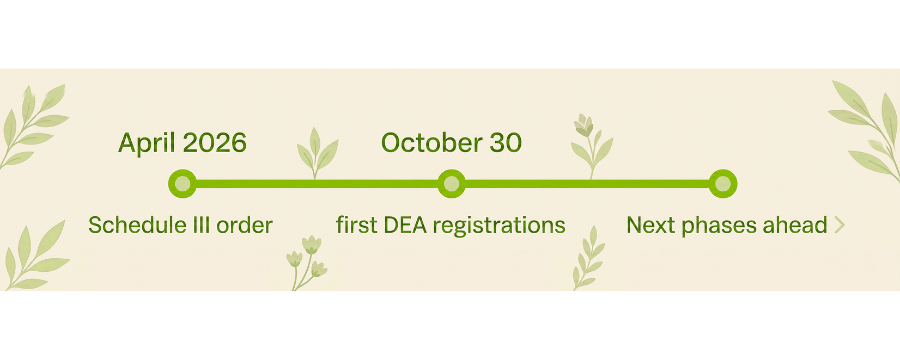
On April 23, 2026, the DOJ moved state-licensed medical cannabis from Schedule I to Schedule III of the Controlled Substances Act. Here is what Texas CUP patients need to know, what changed, and what did not.

Federal Cannabis Rescheduling Schedule III: 3 Critical Facts Texas CUP Patients Need Now
On April 23, 2026, the DOJ moved state-licensed medical cannabis from Schedule I to Schedule III of the Controlled Substances Act. Here is what Texas CUP patients need to know, what changed, and what did not.

Medical Cannabis for Crohn’s Disease: 7 Critical Things Texas IBD Patients Need to Know
Crohn's disease and IBD are now qualifying conditions for the Texas Compassionate Use Program. But does cannabis actually help, and what do patients need to know before starting? Here is an honest, evidence-based answer from a Texas CUP physician.

Important Texas CUP Inhaled Cannabis Update
Texas CUP prescribers have been notified by DPS that pulmonary inhalation devices are coming to the program. This is a significant shift for patients who need faster-acting relief. Here is what we know right now and what to expect next.

Hemp Ban vs. Medical Expansion: What the 2025 Legislature Means for Texas Patients
Update (November 2026): HB 46 took effect Sept. 1, 2025, and replaced the 1% THC-by-weight limit with a limit of 10 mg THC per serving and 1 gram...