Conditions & Symptom Relief, Dosing & Product Education

Holiday Stress and Sleep: 7 Smart Tips for Texas Medical Cannabis Patients

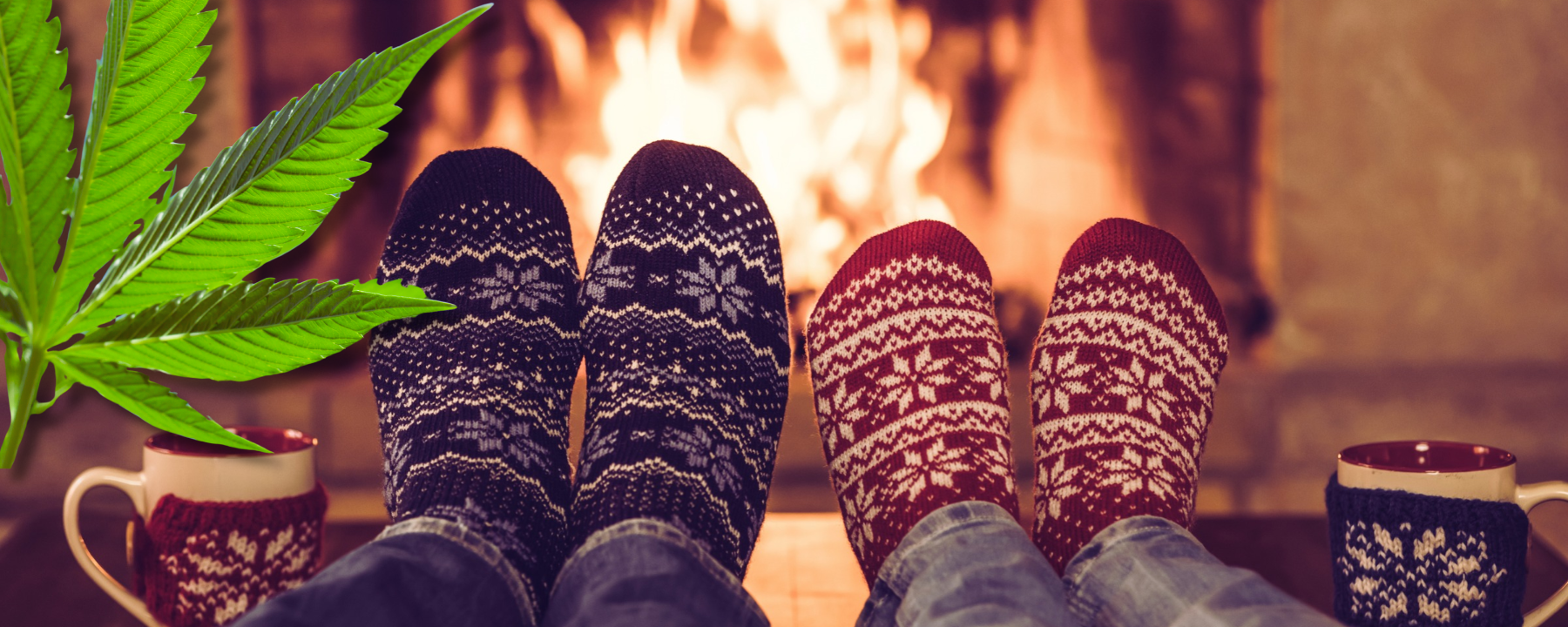
Two people in cozy holiday socks warming their feet by a fireplace beside a cannabis leaf, representing rest and holiday stress relief

🩺 Written and medically reviewed by Jacqueline Rice-McKenzie, MD  Β·  Last reviewed November 2026  Β·  8 min read

Thanksgiving is almost here. For many Texans, that means road trips, crowded kitchens, late nights, and family conversations that can go in any direction. It also means sleep is often the first thing to slip.

If the season feels heavy, you are not alone. In a November 2025 American Psychiatric Association poll, 41% of adults said they expected more holiday stress than the year before. Grief, the cost of gifts, challenging family dynamics, and loneliness were among the most common worries.

For medical cannabis patients, the holidays can bring a few extra questions. Should I bring my medicine to a relative’s house? What if someone asks about it? What happens to my routine when everything else changes?

This guide covers seven practical ways to manage holiday stress and sleep while keeping your treatment safe, consistent, and within Texas law.

Your treatment plan doesn’t take a holiday. Keep the routine that works, and plan ahead for the parts that might not.

😴 How Holiday Stress and Sleep Affect Each Other

Stress and sleep feed into each other. When your mind is busy, it is harder to fall asleep and stay asleep. When you sleep poorly, everyday stress feels bigger, patience runs shorter, and pain can feel worse the next day.

The holidays add their own sleep disruptors:

  • Later nights and earlier mornings than usual
  • Travel, unfamiliar beds, and shared rooms
  • Large, heavy meals late in the day
  • More alcohol and caffeine than normal
  • Emotional conversations, grief, or missing someone

Many patients in the Texas Compassionate Use Program already live with conditions that affect sleep, such as chronic pain, PTSD, or muscle spasticity. A few disrupted nights can hit harder when your baseline is already a challenge. The tips below are designed to protect both your rest and your treatment plan.

πŸ—“οΈ Tip 1: Keep Your Dosing Routine Steady

Holiday schedules shift. Meals move, wake-up times change, and it is easy to forget a dose or take one at an unusual time.

Try to take your medicine at the same times you normally do, as prescribed. A few simple habits help:

  • Set phone reminders for your usual dosing times
  • Pack your medicine before you pack anything else
  • Avoid “making up” for a missed dose by doubling the next one
  • Avoid taking extra on a stressful day without talking to your physician first

If you are new to dosing or want a refresher on why more is not always better, read our guide: Does More THC Mean Better Relief?

🍷 Tip 2: Be Careful Mixing Cannabis and Alcohol

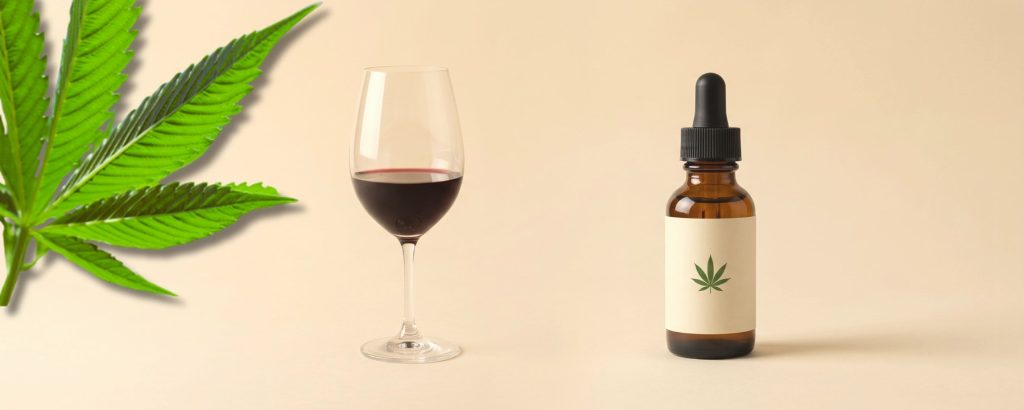
Holiday gatherings often come with wine, beer, or a signature cocktail. Combining alcohol and THC can increase dizziness, nausea, and impairment more than either one alone. It can also make it harder to judge how you feel.

Alcohol can also make sleep worse. It may help some people doze off, but it tends to break up sleep later in the night.

If you choose to drink, keep it moderate, space out your drinks, and never drive after using either substance. For a deeper look at how the two compare, see Alcohol vs. Cannabis.

🍽️ Tip 3: Watch the Timing With Edibles and Big Meals

If you use gummies, capsules, or oils that you swallow, a large holiday meal can change how you feel your dose. Taking an oral product with a heavy, high-fat meal may change how quickly or how strongly it works compared with your usual routine.

Important: Oral cannabis can take up to four hours to reach its full effect. If you feel less than expected, wait. Taking more too soon is one of the most common reasons patients feel stronger effects than they intended.

If your holiday meal is at an unusual time, consider keeping your dose timing close to normal rather than tying it to the meal.

πŸ”’ Tip 4: Store Your Medicine Safely Around Guests, Kids, and Pets

Medical cannabis gummies and chocolates can look just like holiday candy. With extra people in the house, purses on beds and bags on the floor, accidental exposure becomes more likely.

  • Keep products in their original, labeled dispensary packaging
  • Use a locked box or a high, closed cabinet
  • Do not leave products in a purse, coat pocket, or overnight bag where children or pets can reach them
  • Remind houseguests that your medicine is not shared

If a child or pet eats a cannabis product: For a child, call Poison Control at 1-800-222-1222, or call 911 if they are hard to wake, having trouble breathing, or having a seizure. For a pet, call your veterinarian or an animal poison control line right away.

πŸš— Tip 5: Travel Smart Within Texas

Your prescription is issued under the Texas Compassionate Use Program and is meant to be used in Texas. If you are driving to see family within the state:

  • Keep your medicine in its original dispensary packaging with the label intact
  • Bring a government-issued ID, such as a driver’s license
  • Store it out of reach while driving, such as in the trunk
  • Never drive while impaired

What About Leaving Texas or Flying?

TSA’s β€œWhat Can I Bring?” page currently lists medical marijuana as allowed in both carry-on and checked bags, with β€œspecial instructions.” In May 2026, TSA said this was a website update for clarity and that its policy on medical marijuana has not changed. TSA officers do not search for drugs, but they can refer suspected illegal substances to law enforcement.

That listing does not guarantee that every Texas Compassionate Use Program product can be legally taken on a plane. Keep in mind:

  • Federal, state, and destination laws still apply, and other states may not recognize a Texas prescription.
  • Airlines can set their own rules. American Airlines, for example, does not allow medical marijuana on its flights.
  • A prescription in the Compassionate Use Registry of Texas does not, by itself, mean a product can be taken across state lines.
  • Battery-powered vape devices generally must travel in carry-on bags, not checked luggage.

Because these rules involve federal, state, and airline policies, please verify directly with TSA and your airline before you fly. You can review the current listing here: TSA: Medical Marijuana.

πŸ’¬ Tip 6: Decide Ahead of Time How Much You Want to Share

Family gatherings can bring questions, and sometimes opinions. Your health information belongs to you. You get to decide how much to share, and it is fine to change your answer depending on who is asking.

It can help to have a few responses ready:

  • Brief: “It’s a prescription from my doctor, and it’s helping.”
  • Educational: “Texas has a state medical program. I see a physician, and my medicine comes from a state-licensed dispensary. You can learn more about it on the Texas DPS website. It’s been around for about 10 years and only approved doctors can write prescriptions for specific qualifying conditions.”
  • Boundary: “I’d rather keep my health stuff private today. How have you been?”

If questions from loved ones bring up hesitation of your own, our article on medical cannabis stigma may help.

πŸŒ™ Tip 7: Protect the Basics of Sleep

Medicine is only one part of good sleep. Some of the most effective sleep habits are also the simplest, and they travel well:

  • Keep a steady wake-up time, even after a late night
  • Get morning light with a short walk or coffee by a window
  • Take a gentle walk after the big meal instead of a long late-afternoon nap
  • Cut off caffeine by early afternoon (Yes, that’s hard for me, too.)
  • Pack a sleep kit for travel: eye mask, earplugs, and your own pillow
  • Give yourself a wind-down window of 20 to 30 minutes with screens put away

If you are staying with family, it is okay to step away for a quiet break. Rest is not rude.

πŸ”¬ What Does the Research Say About Cannabis and Sleep?

Many patients tell us they sleep better when their symptoms are better controlled. That makes sense: pain, muscle spasms, and nightmares can all interrupt sleep.

The research on cannabis as a treatment for insomnia itself is less settled. An October 2026 Cochrane review of nine studies involving 537 adults with insomnia found that medical cannabis may have little to no benefit for sleep quality or total sleep time compared with placebo. The authors rated the evidence as very uncertain, and people using cannabis reported more mild side effects, such as dry mouth and dizziness. The lead author noted that this does not mean medical cannabis is ineffective, only that better studies are needed.

A few other points are worth knowing:

  • Insomnia by itself is not a qualifying condition under the Texas Compassionate Use Program. You can see the current law changes on the Texas DPS Compassionate Use Program page.
  • The first-line treatment for long-term insomnia is cognitive behavioral therapy for insomnia (CBT-I), a structured, non-medication approach.
  • If you use THC regularly, stopping suddenly can temporarily disrupt sleep. Talk with your physician before making changes, especially during a busy week.
πŸ’¬ A note from Dr. Rice-McKenzie

The holidays can be beautiful and exhausting at the same time. I hope you give yourself permission to rest, to step away when you need to, and to skip a conversation that isn’t serving you.

If stress or sleep is getting harder to manage, please message me through the patient portal. Adjusting the timing or type of your medicine is a normal part of care, and you don’t have to figure it out alone.

❓ Frequently Asked Questions

Can I bring my medical cannabis to a family member’s home for Thanksgiving?

Within Texas, yes. Keep it in its original labeled packaging, bring a government-issued ID such as a driver’s license, and store it securely away from children, pets, and guests.

Can I fly with my Texas medical cannabis?

TSA currently lists medical marijuana as allowed in both carry-on and checked bags with special instructions, but it has said its policy has not changed, and officers can still refer cannabis to law enforcement. Airlines and other states may have their own restrictions. Please verify directly with TSA and your airline before you travel.

Does medical cannabis help with sleep?

A 2026 Cochrane review found the evidence for cannabis as a treatment for insomnia itself is uncertain. However, many of my patients report better sleep. In fact, I multiple times a day at follow-up visits, patients voluntarily report improved sleep quality. Your physician can help you decide what fits your situation.

Is holiday stress or insomnia a qualifying condition in Texas?

No. Stress and insomnia alone do not qualify. Qualifying conditions include chronic pain, PTSD, cancer, epilepsy, multiple sclerosis, and others listed in Texas law.

What should I do if a child or pet eats an edible?

For a child, call Poison Control at 1-800-222-1222, or 911 for severe symptoms such as trouble breathing, a seizure, or being hard to wake. For a pet, call your veterinarian or an animal poison control line right away.

🎬 The Bottom Line

Holiday stress and sleep problems are common, and they often show up together. A steady dosing routine, careful timing with food and alcohol, safe storage, and simple sleep habits can make a real difference this week.

Protect your routine, protect your rest, and give yourself some grace.

Ready to Explore Your Options?

If you have a qualifying medical condition and are considering medical cannabis, Floweret MD provides physician-led telemedicine evaluations throughout Texas. You can also explore our free Texas Medical Cannabis Guidebook or learn more about the Texas Compassionate Use Program.

Ready to Get Started?